Reverse Variegated Spider Plant: A Unique Addition to Your CollectionConclusion
If you're looking for a unique and eye-catching plant to add to your collection, look no further than the reverse variegated spider plant. This stunning plant is known for its striking white leaves with green margins that grow in an opposite pattern to the traditional variegated spider plant. In this blog post, we'll dive into everything you need to know about the reverse variegated spider plant - from its care requirements to its history and more.
Spider plants are a popular choice for both indoor and outdoor gardens due to their ease of care and low maintenance requirements. However, the reverse variegated spider plant takes things to the next level with its distinct appearance. This unique plant is a cultivar of the traditional spider plant, known as Chlorophytum comosum. It's characterized by its white leaves with green margins, which grow in the opposite pattern to the typical variegation seen in spider plants.
The reverse variegated spider plant is a relatively new addition to the world of horticulture, having been first developed in the early 2000s. Despite its recent origin, it has quickly gained popularity among plant enthusiasts due to its striking appearance and easy care requirements. In the following sections, we'll explore the characteristics, care requirements, and history of this fascinating plant.
Characteristics of the Reverse Variegated Spider Plant
The reverse variegated spider plant is a highly recognizable plant due to its unique appearance. Its leaves are long and narrow with pointed tips, growing up to 12 inches in length. The base of each leaf is white, while the margins are green - the opposite of the traditional variegation pattern. The plant produces small white flowers on long stalks, which eventually develop into small plantlets that can be propagated to create new plants.
Unlike some other spider plant cultivars, the reverse variegated spider plant is relatively slow-growing. It's a compact plant, typically growing to a height of around 12 inches and a spread of 8-10 inches. Despite its small size, it can make a big impact in any garden or indoor space due to its striking appearance.
Care Requirements for the Reverse Variegated Spider Plant
One of the reasons why the reverse variegated spider plant has gained popularity among plant enthusiasts is due to its ease of care. This plant is relatively low-maintenance and doesn't require much attention beyond the basics of watering and fertilizing.
Light and Temperature
The reverse variegated spider plant prefers bright but indirect light. Direct sunlight can burn its leaves, so it's best to place it in a location with filtered light. The plant can tolerate a wide range of temperatures, from 60-75 degrees Fahrenheit.
Watering
Like most spider plant cultivars, the reverse variegated spider plant prefers to be kept consistently moist but not waterlogged. It's important to allow the top inch of soil to dry out before watering again. Overwatering can lead to root rot and other issues.
Soil and Fertilization
The reverse variegated spider plant prefers well-draining soil that's rich in organic matter. A good potting mix designed for houseplants should work well. Fertilize the plant once a month during the growing season with a balanced fertilizer.
Propagation
The reverse variegated spider plant can be propagated through the plantlets produced by its flowers. Once the plantlets have developed roots, they can be cut off and planted in their own pots.
History of the Reverse Variegated Spider Plant
The reverse variegated spider plant was first developed in the early 2000s by a Dutch grower named Piet Vijverberg. Vijverberg discovered a mutation in a batch of traditional spider plants that caused them to grow with the opposite variegation pattern. He began breeding these plants to create the reverse variegated spider plant, which quickly gained popularity among plant enthusiasts.
Today, the reverse variegated spider plant is grown and sold by nurseries around the world. It's a unique and eye-catching addition to any collection, and its low maintenance requirements make it an excellent choice for beginners and experienced gardeners alike.
Frequently Asked Questions
Q: Is the reverse variegated spider plant safe for pets?
A: Yes! The reverse variegated spider plant is non-toxic to pets and humans.
Q: How often should I fertilize my reverse variegated spider plant?
A: Fertilize your plant once a month during the growing season with a balanced fertilizer.
Q: Can I grow a reverse variegated spider plant outdoors?
A: Yes, the reverse variegated spider plant can be grown outdoors in USDA zones 9-11.
Q: How do I propagate my reverse variegated spider plant?
A: Propagate the plant through the plantlets produced by its flowers. Once the plantlets have developed roots, they can be cut off and planted in their own pots.
Q: Can I grow a reverse variegated spider plant from seed?
A: While it's technically possible to grow a reverse variegated spider plant from seed, it's not recommended. The resulting plants may not have the same variegation pattern as the parent plant.
Q: How big does a reverse variegated spider plant get?
A: The reverse variegated spider plant typically grows to a height of around 12 inches and a spread of 8-10 inches.
Q: Does the reverse variegated spider plant require any special care?
A: No, the reverse variegated spider plant is relatively low-maintenance and doesn't require any special care beyond the basics of watering and fertilizing.
Q: Can I grow a reverse variegated spider plant in a hanging basket?
A: Yes! The reverse variegated spider plant can be grown in a hanging basket or on a shelf.
Q: How often should I water my reverse variegated spider plant?
A: Water your plant when the top inch of soil feels dry to the touch.
Q: Is the reverse variegated spider plant an indoor or outdoor plant?
A: The reverse variegated spider plant can be grown both indoors and outdoors, depending on your climate and preferences.
The reverse variegated spider plant is a unique and eye-catching addition to any collection. Its striking appearance and ease of care make it an excellent choice for both beginners and experienced gardeners. Whether you're looking for a new plant to add to your indoor garden or want to try something different in your outdoor space, the reverse variegated spider plant is definitely worth considering.
11 Reverse variegated spider plant Images

Variegated Spider Plant Airplane Plant Variegatum Chlorophytum

NonVariegated Spider Plant 1 Plants Spider Plants Plant Lady

Amazoncom Hirts Reverse Variegated Spider Plant Easy To Grow

Variegated Spider Plant Chlorophytum In White Display Pot Garden

Deep Red Trailing Geraniums And Variegated Spider Plant Spider
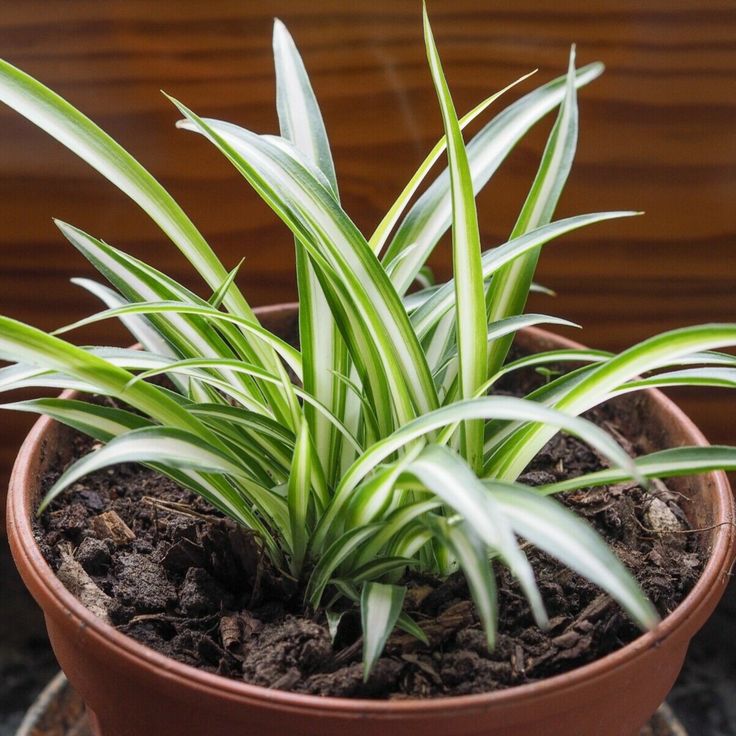
Spider Plant Variegated Airplane Plant Live Plant Fit 1QRT Pot Indoor

Chlorophytum Comosum Variegatus Bonnie Curly Variegated Spider

Pin On Outdoors

20 SPIDER PLANT AIRPLANE PLANT CHLOROPHYTUM Ideas Airplane Plant

Spider Plant Bonnie Varigated In 2020 Spider Plants Plants Plant

Curly Variegated Bonnie Spider Plant Low Light Live House Etsy In
Posting Komentar untuk "Reverse Variegated Spider Plant: A Unique Addition to Your CollectionConclusion"